
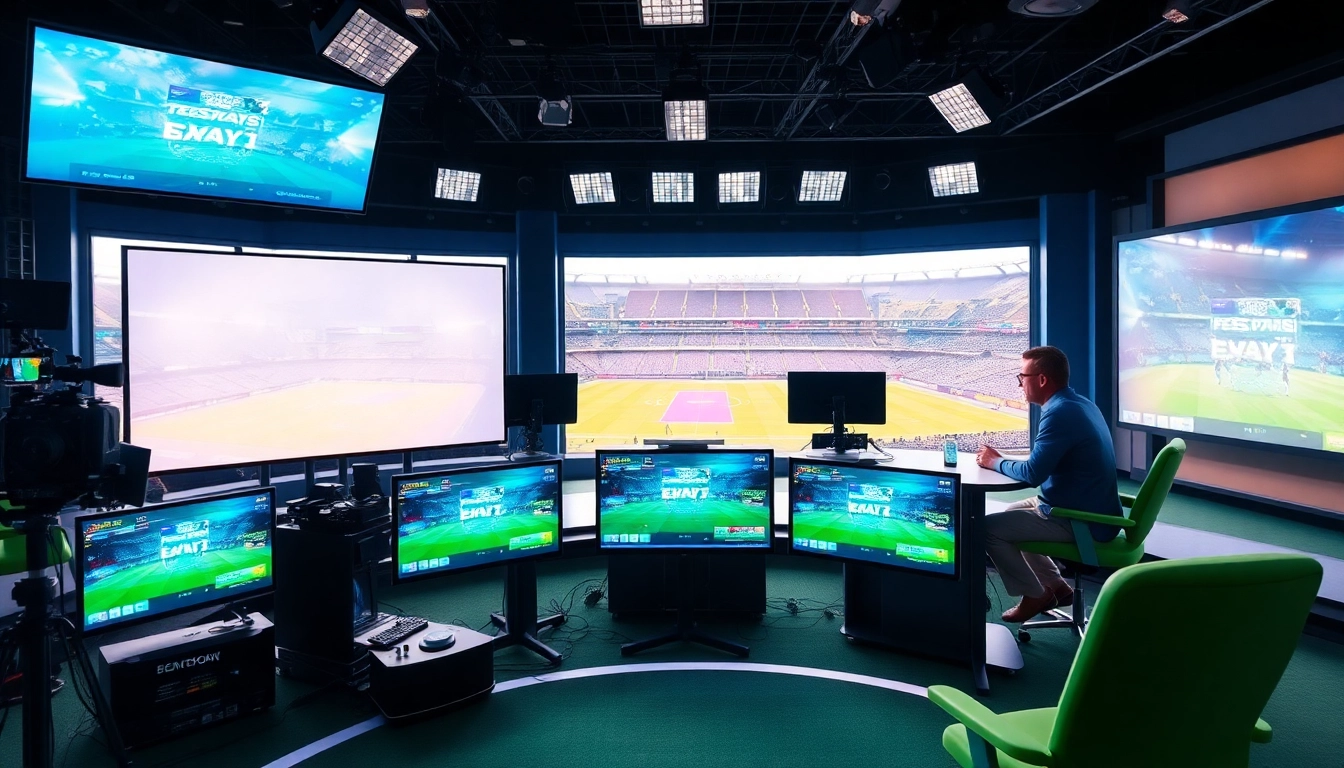
Understanding Sports Broadcasting
Definition and Overview
Sports broadcasting refers to the distribution of sports content to audiences via various media channels, aiming to entertain, inform, and engage fans of all ages. This multifaceted discipline incorporates television, radio, online streaming platforms, and social media. The goal is to capture the excitement of live sports events, making them accessible anytime and anywhere. The significance of Sports Broadcasting cannot be overstated, as it connects millions of fans to their favorite teams and athletes, fostering community and cultural engagement.
The Evolution of Sports Broadcasting
The journey of sports broadcasting began in the early 20th century with radio broadcasts, unfolding into television broadcasts in the 1930s. The landscape transformed markedly with the advent of cable networks and satellite TV in the late 20th century, enabling broader reach and enhanced viewing experiences. The 21st century ushered in digital streaming, allowing fans immediate access to live sporting events on diverse devices. Technologies such as high-definition video, augmented reality, and artificial intelligence are constantly reshaping how we consume sports content today.
Importance of Sports Broadcasting Today
Sports broadcasting plays a crucial role beyond mere entertainment. It drives economic growth through advertising revenues, sponsorship deals, and merchandise sales. More than that, it serves as a platform for social interaction, bringing together fans regardless of geographic boundaries. With global sports leagues, broadcasting promotes cultural exchange and mutual understanding. As audiences increasingly lean towards digital consumption, the relevance of sports broadcasting continues to grow, influencing trends around viewer engagement and content delivery.
Key Components of Sports Broadcasting
Technical Equipment Used
At the heart of sports broadcasting lies sophisticated technology. Key equipment includes high-definition cameras capable of capturing stunning footage, specialized microphones to ensure clear audio, and production hardware for live editing. Remote broadcasting units are crucial for capturing events right from the venue. Advanced graphics systems enable the inclusion of real-time statistics and visual enhancements that enrich the viewer's experience. Together, these tools facilitate a seamless transmission of sports content to millions of viewers worldwide.
Role of Commentators and Analysts
Commentators and analysts are essential to the narrative of sports broadcasting. Commentators provide real-time play-by-play commentary that keeps viewers engaged, while analysts break down plays, discuss strategies, and enrich the audience’s understanding of the game. Their insights foster a deeper appreciation of the sport, transforming viewers into knowledgeable fans. This symbiotic relationship between commentators, analysts, and the audience is vital for maintaining viewer interest and loyalty throughout the broadcast.
Broadcasting Formats: Live vs Recorded
Sports broadcasting can be categorized into live and recorded formats, each offering unique advantages. Live broadcasting captures real-time excitement and unpredictability but requires meticulous preparation and robust technology to avoid on-air mishaps. Recorded broadcasts enable enhanced storytelling through selective editing, allowing for a polished viewing experience. The choice of format often depends on the specific sporting event, audience preferences, and the intended broadcast channel.
Best Practices for Engaging Audiences
Building a Connection with Viewers
Engagement in sports broadcasting is about more than just delivering content; it involves forging emotional connections with viewers. Brands can foster loyalty by creating relatable stories around athletes and teams, promoting behind-the-scenes content, and encouraging fan interaction through polls and discussions. Tailoring coverage to reflect viewer preferences about specific sports, teams, or players helps cultivate a customized experience that resonates with the target audience.
Utilizing Social Media for Engagement
Social media platforms have become indispensable tools for sports broadcasters. These platforms facilitate immediate interaction between broadcasters and viewers, allowing for real-time updates, highlights, and discussions. Effective use of platforms like Twitter, Instagram, and Facebook can enhance user engagement, create buzz around games, and build community among fans. Engaging content such as polls, quizzes, and live chats can encourage fan interaction, generating excitement that extends the broadcast experience.
Enhancing Viewer Experience through Graphics
Visual storytelling can greatly enhance the viewer experience. The use of dynamic graphics, animations, and infographics can distill complex information, making it more digestible. Enhancements like live statistics and interactive elements during broadcasts can transform a passive viewing experience into an engaging, immersive one. Broadcasters who master the integration of visual technology into their programming are more likely to captivate audiences and maintain viewer interest throughout the event.
Challenges in Sports Broadcasting
Dealing with Technical Difficulties
Technical challenges are a constant concern in sports broadcasting. Issues such as equipment malfunctions, connectivity problems, and software glitches can disrupt transmission and frustrate viewers. Proactive measures, such as thorough equipment checks, backup systems, and contingency plans, are crucial for minimizing chances of technical difficulties, ensuring a smooth broadcast experience that maintains audience trust and satisfaction.
Scheduling Conflicts and Coverage Issues
The scheduling of sports events often leads to conflicts, particularly during major tournaments where multiple games may occur simultaneously. Selection criteria for coverage need to be well-planned to cater to viewer interests while maximizing advertising revenues. Collaborating with sports organizations can help broadcasters ensure coverage aligns with fan preferences, addressing scheduling issues effectively and enhancing viewer satisfaction.
Addressing Viewer Expectations
Audience expectations are continually evolving, influenced by technological advancements and social interaction. Broadcasters must remain keenly aware of viewer demands, including access to real-time data, in-depth analysis, and multi-platform availability. Keeping pace with these expectations requires ongoing research, innovation, and a willingness to adapt methodologies to fit the changing landscape of sports consumption.
The Future of Sports Broadcasting
Emerging Technologies in Broadcasting
The future of sports broadcasting is tightly interwoven with technological advancement. Innovations such as virtual reality (VR), augmented reality (AR), and artificial intelligence (AI) are transforming how viewers experience sports. For instance, AR can enhance live game analysis, while AI-driven personalized content can offer viewers a bespoke experience reflecting their preferences. Broadcasters who leverage these technologies will likely lead the charge in reshaping viewer engagement.
Trends Shaping the Industry
As the broadcasting landscape evolves, several trends are emerging. A growing emphasis on mobile content consumption is pushing broadcasters to prioritize streaming services and mobile applications. Furthermore, data analytics is becoming increasingly pivotal in understanding viewer preferences and optimizing content delivery. Embracing these trends will be critical for broadcasters seeking to maintain a competitive edge in a rapidly changing marketplace.
Predicting the Next Steps for Broadcasters
Looking ahead, sports broadcasters should prepare for an environment rich in competition and innovation. Strategic partnerships with tech companies, focusing on user-generated content, and tapping into niche markets will be key drivers of success. Additionally, focusing on sustainability practices and enhancing community engagement can help broadcasters position themselves as socially responsible entities, fostering deeper connections with their audiences.
FAQs about Sports Broadcasting
What is Sports Broadcasting?
Sports broadcasting involves the distribution of sports-related content through various media, aiming to entertain and inform audiences about live events, teams, and athletes.
How has Sports Broadcasting changed over time?
Sports broadcasting has evolved from radio broadcasts to multi-platform digital streams, incorporating advanced technologies to enhance viewer engagement and accessibility.
What technology is essential for broadcasting?
Essential technologies include high-definition cameras, audio equipment, broadcasting software, and graphics systems, all of which enhance live event coverage and viewer experience.
How can broadcasters engage viewers effectively?
Effective engagement can be achieved through relatable storytelling, real-time social media interaction, personalized content, and high-quality visual enhancements during broadcasts.
What are the biggest challenges faced in broadcasting?
Key challenges include technical difficulties, scheduling conflicts, addressing audience expectations, and maintaining relevance in a rapidly changing media landscape.